

 Pol.
 Esp.
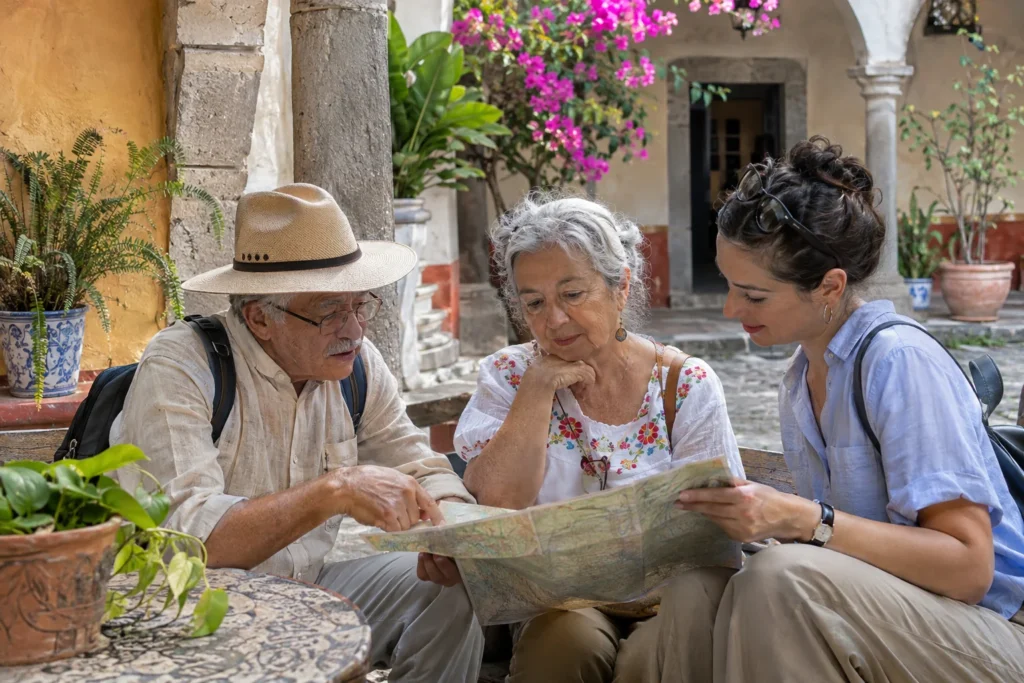
When planning a trip to Mexico with older adults, it’s a good idea to tailor the walks, transportation, accommodations, and breaks to each person’s needs. Choosing fewer destinations, checking accessibility, and allowing time for rest helps create an enjoyable itinerary. Age alone does not determine the pace of the trip.
Contents
Start by thinking about the people who will be traveling
Before choosing cities, talk to the people who will be on the trip. What would they like to see? How long do they enjoy walking? Do they prefer to get an early start or begin the day at a leisurely pace? Do they need to avoid stairs or require any assistance?
Not all older adults have the same needs. Some are looking for active days; others prefer short visits and time to chat, eat, or rest. Nor should age be confused with disability.
The itinerary should be based on these preferences and allow each traveler to participate in the decision-making process.
Fewer hotel changes and a more balanced daily schedule
An itinerary may seem comfortable when it simply lists attractions, but it can become exhausting when you factor in luggage, waiting times, traffic, and hotel check-ins.
Whenever the itinerary allows, consider staying several nights at the same base. Before choosing an excursion, compare the round-trip travel time with the alternative of spending the night at the destination: avoiding a move doesn’t necessarily make up for spending too many hours on the road.
As a starting point, you can plan one main sightseeing activity per day, a leisurely meal, and an optional activity. This is a planning suggestion, not a hard-and-fast rule or a one-size-fits-all guideline.
The day of arrival deserves special attention. After a long flight, setting aside time to settle in is usually a better idea than cramming in several sightseeing stops.
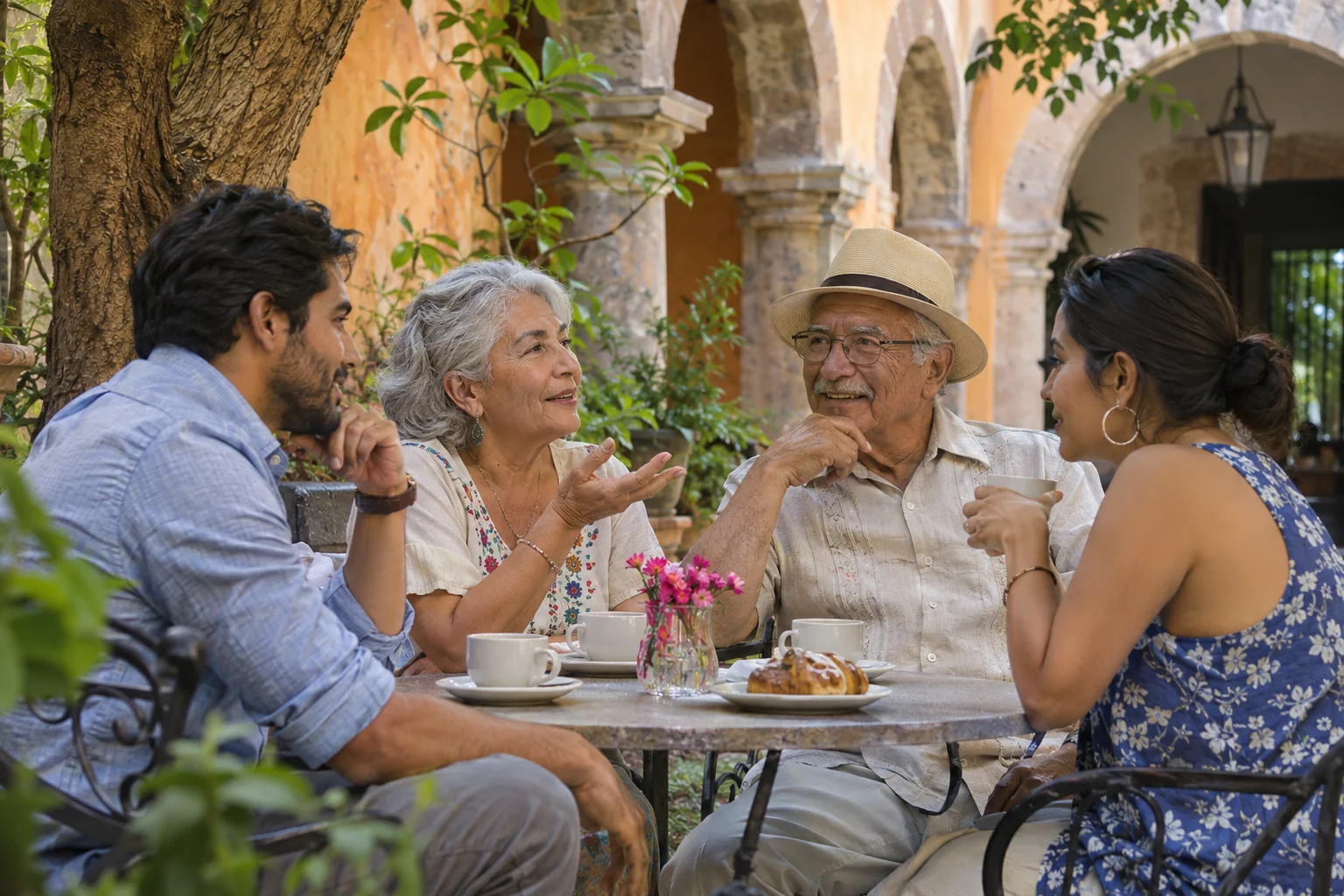
Check the walking routes, not just the tour duration
Two three-hour tours can involve very different levels of exertion. Ask how much walking is involved, if there are any slopes or uneven surfaces, where people can sit, and how far the vehicle is from the entrance.
At museums, historic sites, religious sites, or archaeological sites, check the specific conditions of the tour. An accessible admission ticket does not guarantee that all rooms, restrooms, or areas can be used in the same way.
Also consider sun exposure, shaded areas, and the availability of restrooms. Plan an alternative for anyone who prefers to skip part of the tour, without leaving them isolated or assuming they’ll be able to wait comfortably in the vehicle.
What to Confirm with Hotels and Transportation
A hotel’s star rating alone isn’t enough to determine if it will be suitable. Be sure to check access from the street, the elevators, the room’s location, and the bathroom’s features. If accessibility is a concern, ask for specific details and confirmation from the hotel before booking.
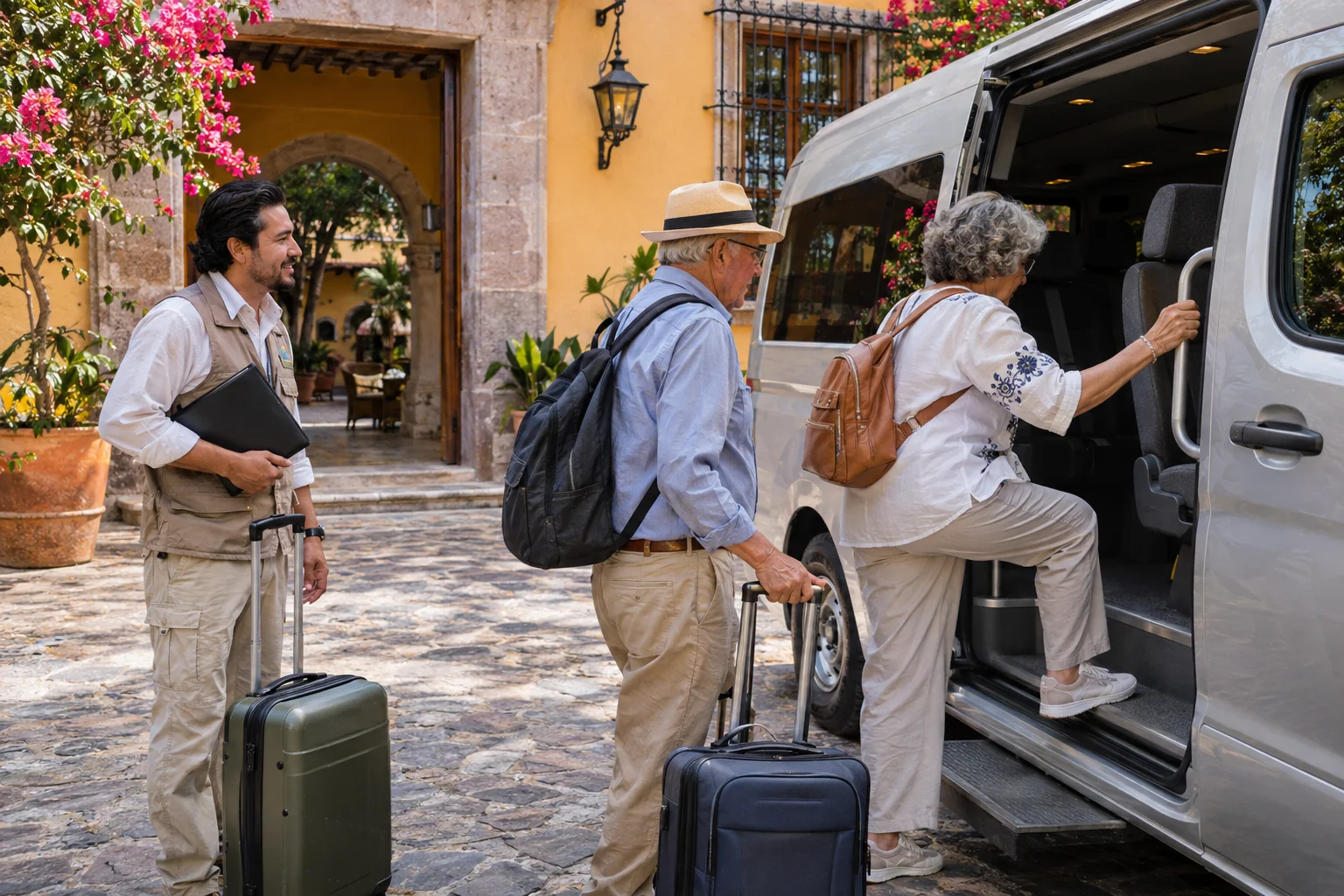
When traveling, check the height of the steps, the space for luggage or mobility aids, and the scheduled stops. If someone is traveling in a wheelchair, clarify whether they can transfer to a seat or need an accessible vehicle. Not every van offers that option.
A private service can accommodate specific schedules and breaks, but its flexibility depends on the terms of the contract. Also confirm whether a guide is included and what kind of assistance the staff can provide. Driving, guiding, and providing personal care are different services.
Health, Medications, and Insurance Before You Go
If you have chronic conditions, are undergoing treatment, or have concerns about the planned physical activity, consult a healthcare professional before your trip. Share your itinerary so they can assess factors such as long flights, temperature, and altitude. A travel agency can help with logistics, but it is no substitute for this evaluation.
Carry any necessary medications in your carry-on luggage, in their original packaging, along with the corresponding prescriptions or documents. Check the country’s entry requirements and the airline’s rules regarding specific medications and medical equipment.
Check that your insurance is valid in Mexico and review its provisions regarding age, pre-existing conditions, medical care, evacuation, and activities. Don’t assume that all policies cover the same things or that the standard coverage you have in your country applies abroad.
How to Request an Itinerary Tailored to Your Group
When requesting a quote, specify dates, the number of travelers, interests, a rough budget, and your preferred pace. Describe practical needs—such as avoiding stairs, reducing walking distances, or having more breaks—without sharing unnecessary medical information.
Ask that the proposal detail transportation, sightseeing, accommodations, confirmed support services, and conditions for modifying activities. Also specify who will be the point of contact during the trip.
Jaguar Tours can help you plan an itinerary through Mexico based on your group’s profile and coordinate the services included in the proposal. Specific accommodations must be reviewed based on the destination, providers, and availability.
Would you like to travel with your parents, relatives, or a group of seniors? Tell us what you’d like to see and how you prefer to travel so we can provide you with a personalized itinerary.
Frequently Asked Questions
How many activities should you plan each day?
It depends on the level of exertion, travel time, and each person’s preferences. One main attraction and one optional activity can serve as a starting point, leaving plenty of time for meals and rest.
Is a private tour always the best option?
No. It can make it easier to adjust the pace, but you should compare the itinerary and services. A group tour can also work if the schedule, walking distances, and accessibility are suitable.
Do all older adults need an accessible trip?
No. Age alone does not determine accessibility needs. The important thing is to understand each traveler’s preferences and support needs, and to verify them with the service providers.
Can an activity be changed during the trip?
It may be possible, depending on availability and the terms of the contract. It’s best to agree on alternatives and any potential fees before booking; not all services allow last-minute changes.
References
SafeTravel, New Zealand Ministry of Foreign Affairs: Older travelers. Travel preparation, health, medications, and insurance.
https://www.safetravel.govt.nz/before-you-go/who-is-travelling/older-travellers
CDC Yellow Book: Travelers with Chronic Illnesses. Pre-trip consultation and preparation of medications and equipment.
https://www.cdc.gov/yellow-book/hcp/travelers-with-additional-considerations/travelers-with-chronic-illnesses.html
U.S. Department of State: Accessibility Needs. Verification of accommodations, transportation, and assistance with service providers.
https://travel.state.gov/en/international-travel/planning/personal-needs/accessibility.html
